

Press
-
LA PRESSE
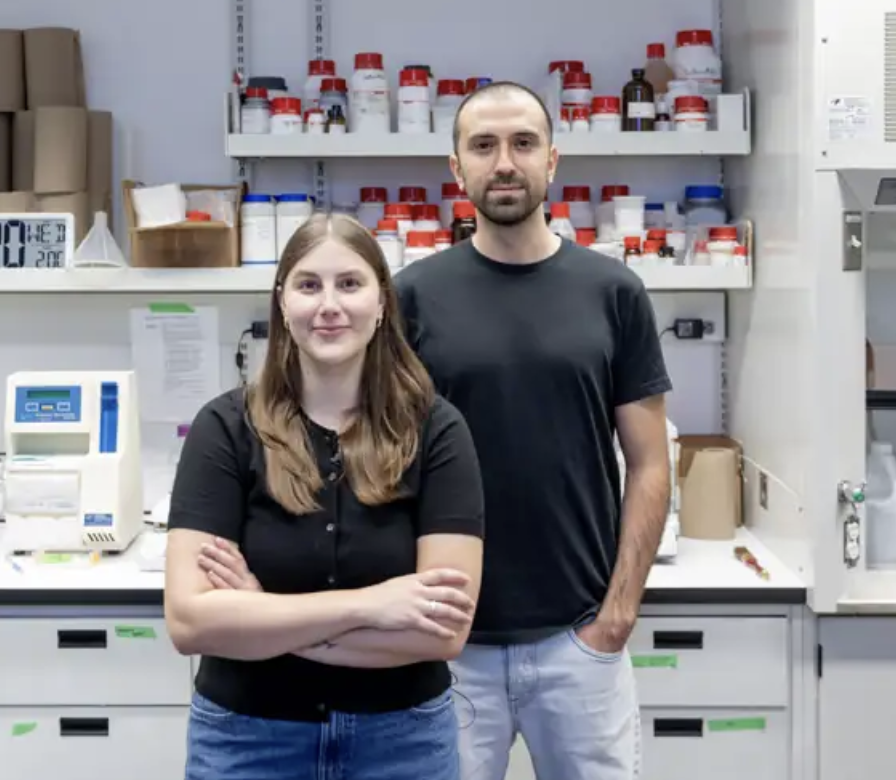
The day is approaching when you will be able to drink a glass of cow's milk produced without cows. A Montreal startup is developing cultured milk that it hopes to be the first to market worldwide. It remains to be seen whether there will be an appetite for foods produced via biotechnology.
-
PROTEIN PRODUCTION
Opalia has taken a decisive step toward bringing cell-based dairy to market through a new commercial agreement with global dairy heavyweight Hoogwegt. The Montreal-based startup announced the strategic partnership in recent days, calling it the world’s first commercial deal to develop and distribute dairy products made without animals.
-
LE DEVOIR
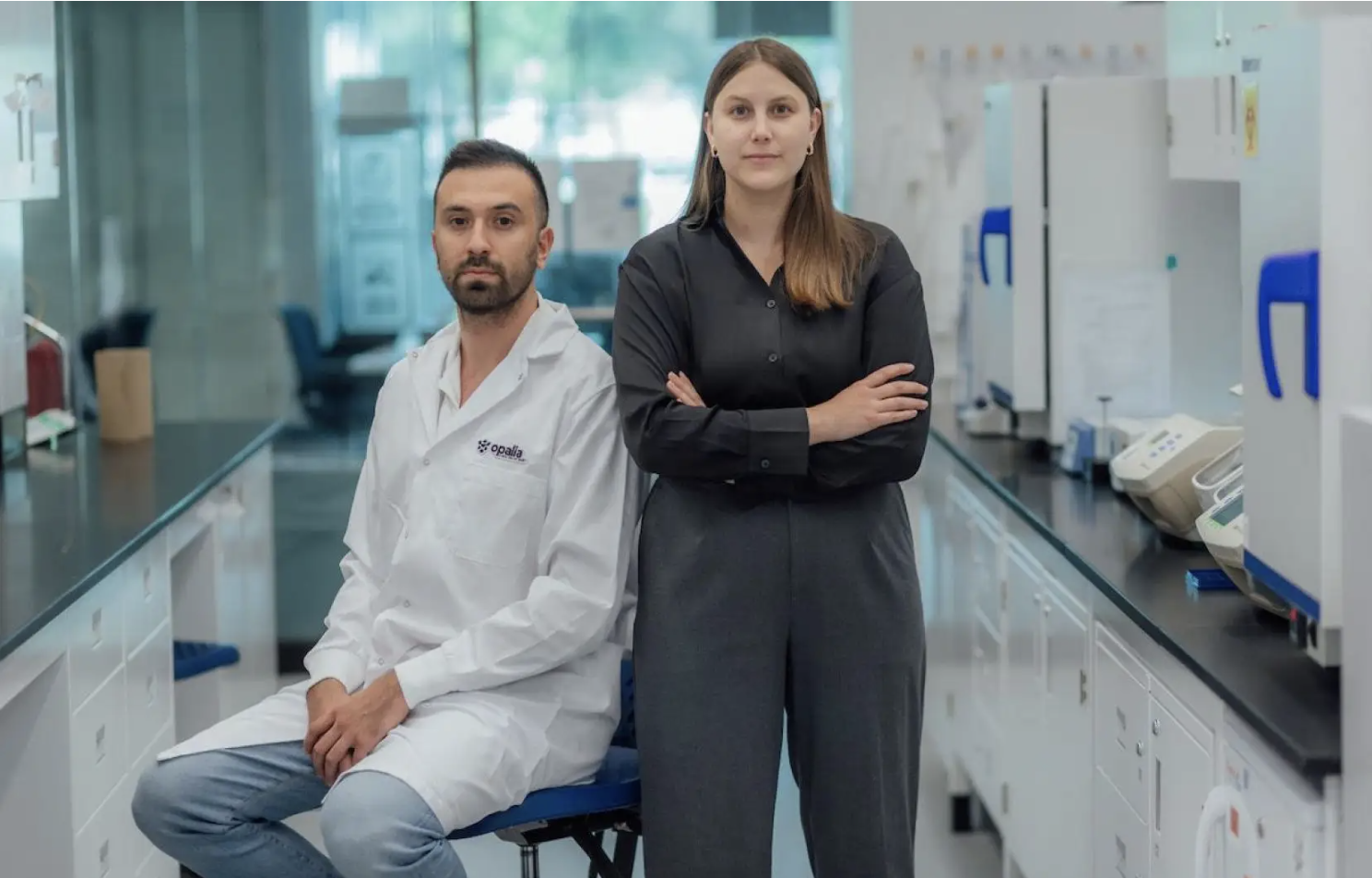
In their Montreal laboratory, two entrepreneurs [Lucas House (left) and Jennifer Côté (right)] are aiming for the firmament, or rather the Milky Way: they want to “cultivate” real milk without milking a single cow. This is the only way, according to them, to supplant the traditional dairy industry, which warms the climate and exploits animals.
-

RADIO-CANADA
A Montreal company intends to market milk made from cells. The first tests are conclusive, but production in industrial quantities is not for tomorrow.
-
SUSTAINABLE BIZ CANADA
Held from May 23 to 24, The first Quebec Climate Solutions Festival has announced its winners, handing out a total of $300,000 in prize money to five innovators, entrepreneurs and researchers making strides in clean and climate technology. The largest award, the $100,000 start-up prize, went to Opalia, the first Canadian company to make milk without cows.
-

FOOD IN CANADA
Opalia, an early-stage foodtech company that makes whole milk using mammary cells, has reached a crucial in-lab milestone on its path toward commercialization of animal-free cow’s milk. Today, Opalia announced the elimination of fetal bovine serum (FBS), a commonly used component of synthetic cell growth, from its manufacturing process.
-

DAIRY PROCESSING
Opalia, an early-stage foodtech company that makes whole milk by using mammary cells, announced a breakthrough that makes it possible to eliminate fetal bovine serum (FBS) from its cell-based manufacturing process.
-

FOOD NAVIGATOR
If churning out milk from lactating bovine mammary epithelial cells in a bioreactor seems a bit, well, unnatural, ask yourself what’s ‘natural’ about the life of a dairy cow in an industrial-scale dairy farming operation, says Opalia co-founder Jennifer Côté, who got into the emerging field of cell-cultured milk for ‘deeply personal’ reasons.
-

VEGCONOMIST
FBS comes from the placenta of pregnant cows, making it a controversial ingredient in products that are intended to be animal-free. The serum is also expensive, prone to contamination, and highly variable between batches. But now, Opalia has found a replacement substrate that is FDA-approved, making its cell-based milk more ethical and potentially speeding up the process of regulatory approval.
-

GREENQUEEN MEDIA
Montreal-based Opalia has announced that is has successfully produced cell-based milk without the use of fetal bovine serum (FBS). The startup has already secured $1 million in pre-seed funding, with a seed round now in progress for continued R&D and projected scaling costings.