
Leading cell-based dairy company Opalia raises $3.2 million to unlock scalable dairy production amid rising global demand and supply constraints
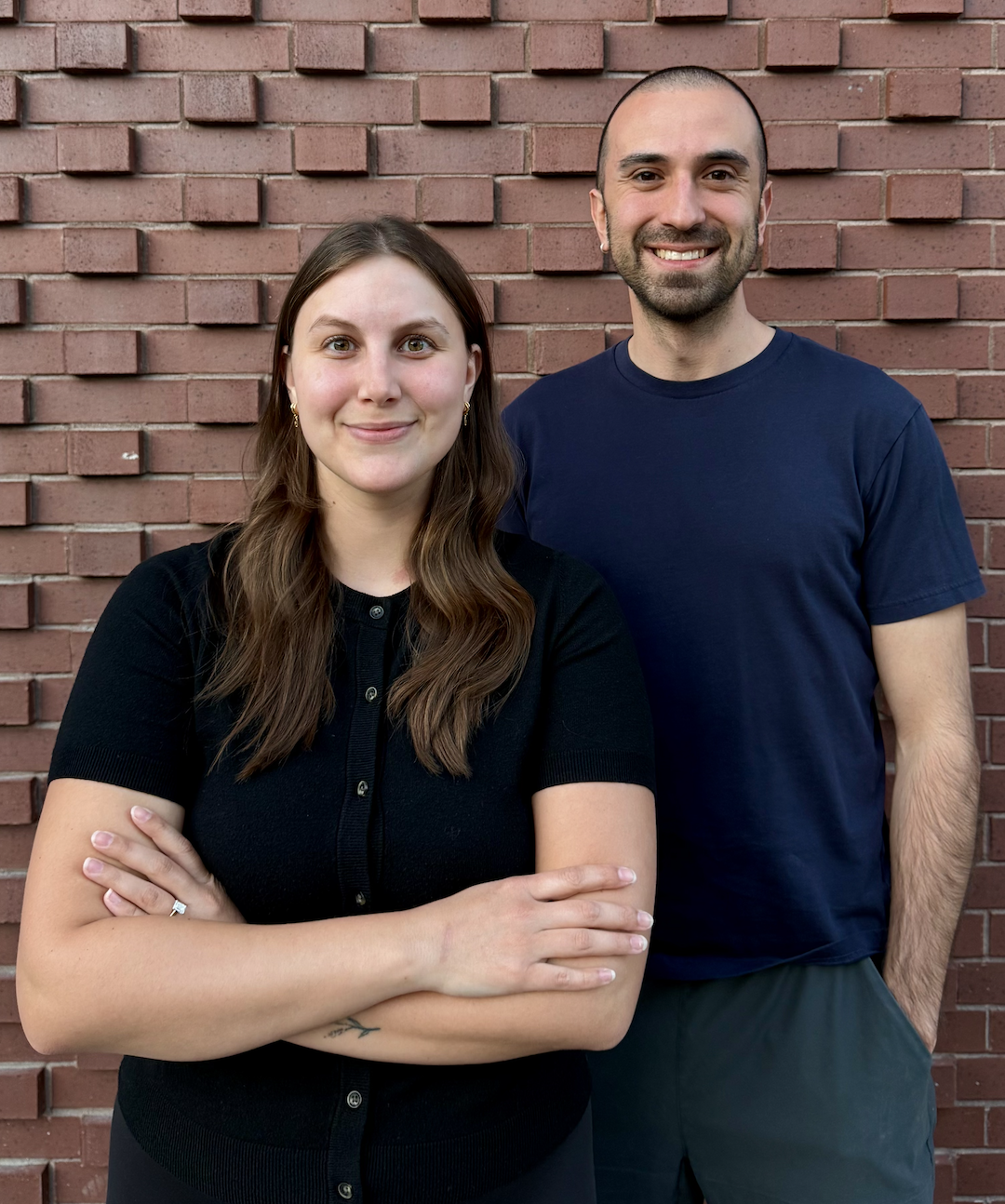
Opalia Co-Founders, Jennifer Côté and Lucas House
Backed by Nàdarra Ventures and Investissement Québec, the Montreal foodtech is securing global dairy partnerships ahead of market entry
MONTREAL, April 28, 2026 – Opalia, a Montreal-based foodtech company producing real milk without cows, today announced the initial close of a $3.2 million CAD seed round, led by Nàdarra Ventures with participation from Spring Capital, UCEED, Anges Quebec and from existing investors including Investissement Québec, Cycle Momentum, and BoxOne Ventures. Following strong early demand, the company is selectively engaging additional strategic investors.
Opalia was founded on the idea that dairy can be produced without animals to meet the rising global demand for milk that is increasingly constrained by land access, supply chain volatility, zoonotic disease outbreaks, and climate change. The company has developed a patent-pending platform that replicates milk at the cellular level, producing the same proteins, fats, and sugars as conventional dairy. From its whole milk, Opalia will be able to produce all dairy applications (cheese, butter, ice cream, etc.) By seamlessly integrating into the traditional dairy supply chain as a supplier of milk and milk ingredients, Opalia will be positioned to capture a significant share of the existing $1.06 trillion global dairy market.
Even before commercial launch, Opalia has secured paid pre-commercial pilot agreements with major global dairy players, including Hoogwegt, the world’s largest independent dairy supplier, in a two-year commercial partnership. Opalia has also signed on a paid pilot with the Canadian division of a leading global dairy group, among the largest dairy companies in the world by revenue and production volume.
Beyond these confirmed agreements, Opalia is advancing discussions with leading food and dairy corporations across North America, Europe, and Asia, converting a pipeline of signed letters of intent into additional commercial partnerships over the next twenty-four months.
“We’ve moved beyond proving the science at laboratory scale, now it’s all about scaling and proving commercial viability. With real commercial partners already at the table, we’re building the infrastructure for cell-based dairy to compete globally, not just conceptually,” said Jennifer Côté, CEO and Co-Founder of Opalia.
A new model for dairy production
Opalia’s proprietary, patent-pending platform uses mammary cells to produce real milk in a controlled bioreactor environment, delivering identical functional properties to conventional dairy without the environmental and ethical constraints of traditional production. Unlike precision fermentation, which produces individual milk proteins that must be formulated into a finished product, Opalia produces complete milk.
Opalia’s process naturally generates the full composition of milk—proteins, fats, and sugars—just as a cow would. As a result, Opalia’s milk is a ready-to-use end product, not an ingredient. It can be sold directly as fluid or powdered milk, or seamlessly used by partners to produce cheese, butter, ice cream, and other dairy products—without requiring any reformulation or changes to existing dairy processes.
Designed as a B2B ingredient platform, Opalia is positioning itself as a supplier and licensor to the global food industry, rather than a consumer-facing brand, enabling established dairy and food companies to integrate animal-free dairy into existing products and supply chains.
With the demand for dairy products increasingly exceeding supply, Opalia aims to fill the gap by partnering with leading dairy companies such as Hoogwegt to increase the global supply of milk. Additionally, Opalia addresses governments’ rising food security concerns who are looking for solutions to improve their resilience against war-constrained supply chains, climate change, and global pandemics.
Scaling toward commercialization
The funding will support Opalia’s next phase of growth, including the development of a larger production system through the scale-up of its proprietary modular bioreactor. Over the next 24 months, the company will validate their modular bioreactor, laying the foundation for rapid, capital-efficient scaling of the production for commercialization in 2028 alongside Hoogwegt and its other strategic partners. This scale-up is expected to drive significant reductions in production costs, accelerating the path to price parity with conventional dairy.
“We see Opalia as a foundational player in the next era of dairy. What sets them apart is a combination of highly credible, differentiated science and a clear, executable path to scale within existing dairy infrastructure, addressing the economics required to compete globally,” said Mary Dimou, Managing Partner at Nàdarra Ventures. “Innovation is no longer optional. Today, global demand for dairy is outpacing supply, and the traditional system is under increasing pressure from climate and resource constraints. While regulatory pathways will take time, we view them as a matter of when, not if. Opalia is uniquely positioned to help define a new model of dairy production at global scale”.
Global demand ahead of regulatory approval
Opalia’s early commercial traction reflects accelerating structural pressure across the global dairy industry. Supply chain volatility, rising demand, and shifting consumer expectations are driving urgent interest in reliable, scalable alternatives. At the same time, governments are actively investing in solutions that strengthen national food security and support climate targets—creating a strong tailwind for technologies like Opalia’s.
Its partnerships already span five countries across three continents, signaling that demand for viable, scalable alternatives to conventional dairy is no longer speculative, it is actively being validated by industry leaders.
Regulatory approval is the company’s next major milestone, unlocking its ability to move from pilot programs to commercial sales. Opalia is already working on North American regulatory filings, with international regulatory submissions, including Asia and Europe, to follow.
“Faced with increasing pressures on dairy supply, environmental challenges, and the need to innovate in production methods, Opalia is developing an innovative Quebec-based technology that paves the way for a new generation of dairy ingredients. With the Impulsion Fund, Investissement Québec, alongside leading investors and partners, supports innovative companies that are transforming local science into concrete solutions for the economy of tomorrow,” said Alex Laverdière, Vice-President, Venture Capital, Investissement Québec.
About Opalia
Opalia is leading the world’s transition to a more sustainable food system, starting with cell-based dairy products that don’t compromise on quality. Their patent-pending technology allows them to produce real milk without cows containing all the components of traditional milk (proteins, fats, and sugars) allowing them to develop a range of products like butter, cream, cheese, yogurts, and more. Targeting B2B applications, Opalia’s technology will provide its clients with a cost-effective, scalable, and sustainable alternative to manufacture dairy products.